Resources
How Do I Power the OGO™ ORIGIN Compost Toilet
A simple, flexible guide to choosing and connecting your power setup—no matter your lifestyle.
Whether you’re building out a van, setting up a tiny home, or wiring into a cabin or boat, the OGO™ ORIGIN is designed to be flexible and low-draw. This guide walks you through how to power your unit, whether through a 12V DC setup or a standard household outlet.
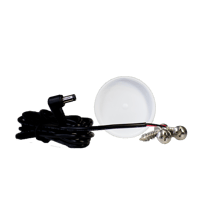

Powering the OGO™ ORIGIN: Know Your Options
Your OGO™ ORIGIN runs on a 12V DC power system, giving you two main ways to connect:
1. Standard 12V DC Direct Wiring
Included with every unit is a 12V DC power cable, which you can wire directly into:
-
A 12V battery (like a LiFePO4)
-
A fuse block or switch panel
-
A step-down transformer or inverter system
This is the most common setup for off-grid, vanlife, boat, and RV users.
2. Optional 110V AC Power Adapter
Want to plug into a wall outlet instead?
You can purchase our 110V to 12V power adapter, which converts your household power into a safe 12V DC feed for the unit.
Perfect for:
-
Tiny homes
-
Cabins
-
Shore-powered RVs
🛒 Shop the OGO™ Power Adapter →
⚠️ A Quick Note on Safety
Always follow proper wiring practices and consult a licensed electrician or off-grid installer if you’re unsure about setup.
We cannot assume liability for improperly installed electrical connections. Local codes, fuse ratings, and battery type all play a role.
How to Connect the OGO™ ORIGIN to a 12V Battery System
What You’ll Need:
-
Wire strippers/cutters
-
Pliers or crimpers
-
Cable clamps or terminal connectors
-
Screwdriver (if mounting to a block)
-
Multimeter (optional but recommended)
Step-by-Step Wiring Instructions
Step 1: Locate and Prepare the Power Cable
-
Your power cable is included in the pack-out bag inside the solids bin.
-
If missing, contact support: support@ogotoilet.com
Strip the outer insulation back far enough to separate the red and black wires. You’ll want to route each to its respective terminal.
Step 2: Make Your Connection
Option A – Connecting to a Battery Terminal
-
Strip about 1/2″ of insulation from the wire ends
-
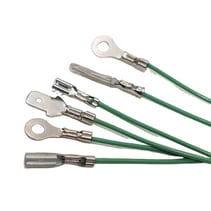
Slide wires into terminal connectors and crimp securely
-
Connect Red to Positive (+) and Black to Negative (-)
Option B – Connecting to a Fuse Block, Inverter, or Step-Down Converter
-
Strip wire ends long enough to wrap securely
-
Insert or wrap each wire into the appropriate connector slot
-
Tighten with a screwdriver
Need to go longer? No problem. You can extend the wire length with properly rated DC wire and connectors.
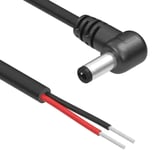
Step 3: Plug Into the Unit
-
Locate the barrel plug on your power cable.
-
This plugs into the power jack on the rear right side of the unit, next to the vent housing.
You’ll hear the fan spin quietly—your OGO™ is now ready to go.
Troubleshooting Power Issues
If your unit isn’t powering on:
-
Double-check your polarity:
-
Red = Positive (+)
-
Black = Negative (−)
-
-
Make sure your fuse or breaker is not tripped
-
Verify the barrel plug is fully inserted into the unit
-
Test the line with a multimeter for voltage (should read 12V-14V DC)
Still not working?
📞 Call us: 567-271-2020
📧 Email: support@ogotoilet.com
We’re a small team, so if you reach voicemail, leave a message and we’ll call you back ASAP.
Final Word
Powering the OGO™ ORIGIN is refreshingly simple. Whether you’re running solar in the desert, battery power in the backcountry, or wall power in a cabin, our system is built to adapt to your life—not the other way around.
Low draw. Easy connection. Off-grid ready.
Need help planning your setup or choosing your adapter? Let us know—we’re here to support your journey.
Related Articles

Melbourne Caravan and Camping Leisurefest 2026

CMCA 39th Annual National Rally

Let’a Go Sunshine Coast Caravan and Outdoor Expo 2026

Coffs Harbour Outdoor Living & Caravan Expo
How to Replace Agitator Cog in OGO Origin Solids Bin (Post August 2025)
How to Handle Urine Waste
Natures Head Weekender – Installation Manual and User’s Guide
Can I Use Anything Other Than Coco Coir in a Compost Toilet
Can I vent into the Existing Black Tank Vent
OGO Origin – Installation Manual and User’s Guide
Why Choose a Composting Toilet For Your Off-Grid Adventures?
Natures Head – Installation Manual and User’s Guide
Related Products

80L Bio-Bags (Roll of 20)


BioStreme 111F – Foaming Odour Neutralizer


BioStreme 201 – Micro-nutrient Odour Control
An engineered micronutrient blend specifically designed to enhance microbial activity of wastewater treatment processes.Stimulates growth and reporduction of beneficial non-odour producing facultative bacteria in a cost-effective manner. It reduces bacterial stress and generation of odours from a variety of wastewaters, including Leachate Lagoons and Holding tanks.


Coir Peat Brick
Used in the Nature's Head and OGO™ toilet to aid in the composting process.
Learn more about this process in our article about Using The Solids Bin.

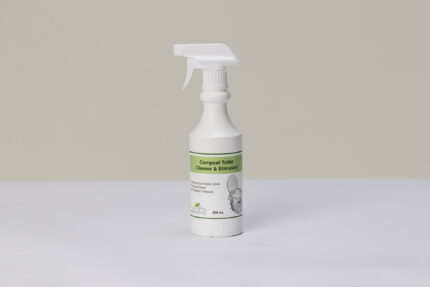
Compost Toilet Cleaner and Stimulator

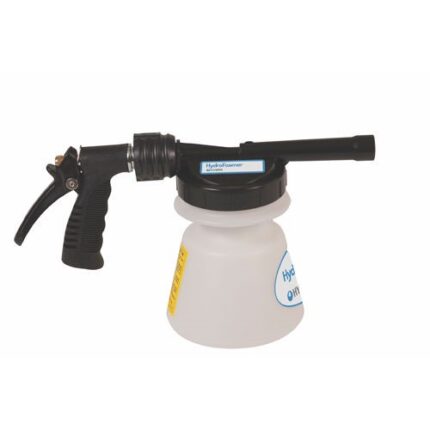
HydroFoamer Sprayer – 2.8L